Every parent knows the magic of a lullaby. Whether it’s a gentle hum, a soft melody, or your favorite bedtime song, calming tunes have been passed down through generations to soothe little ones into slumber. But what’s the science behind these soothing sounds? In this blog post, we’ll explore how lullabies and baby sleep music contribute to infant brain development and why calming frequencies are essential for a good night’s sleep.
The Science Behind Lullabies
Lullabies have been a part of human culture for centuries. Studies show that singing to infants helps establish a bond between parent and child, enhancing emotional attachment. The repetitive melodies and simple lyrics create a predictable pattern that calms babies and helps them feel secure. Research indicates that familiar sounds can even promote brain development in infants by encouraging neural connections.
How Music Helps Baby Brain Development
Music plays a vital role in early brain development. According to various studies, listening to music can stimulate the area of the brain responsible for processing sounds, enhancing language skills and cognitive function. Babies who are exposed to music regularly often demonstrate improved memory and learning capabilities. Furthermore, the emotional responses elicited by calming music can help regulate a baby’s mood and stress levels, further promoting overall healthy brain development.
Why Calming Frequencies Help Babies Sleep
Calming frequencies, or low-frequency sounds, can significantly impact a child’s ability to fall asleep. These frequencies help lower heart rates and reduce cortisol levels, which are associated with stress. In turn, this creates a serene environment conducive to sleep. A consistent bedtime routine, which includes lullabies, can signal to the baby that it’s time to wind down and prepare for sleep, reinforcing good sleep habits.
Listen to the Playlists
Ready to create a calming environment for your baby? Here are some thoughtfully curated playlists that you can listen to, designed specifically to help your little one relax and drift off into dreamland.
Best Lullaby Playlists for Babies and Peaceful Sleep
Lullabies have been used by parents around the world for generations to help babies relax and fall asleep peacefully.
Soft melodies, gentle rhythms, and calm musical textures can transform bedtime into a comforting ritual for both babies and parents.
Today many families prefer curated baby sleep playlists that bring together beautiful lullabies and calming bedtime music.
These playlists create a peaceful sound environment that supports relaxation and emotional comfort.
A peaceful lullaby playlist for bedtime
One of the most relaxing playlists for baby sleep is Wonderful Lullabies.
This collection brings together soft and soothing lullabies designed to create a calm bedtime atmosphere for babies.
The playlist includes gentle melodies, relaxing harmonies, and peaceful instrumental arrangements that help babies settle down at night.
Many parents enjoy playing this kind of music during evening routines, feeding time, or while rocking their babies to sleep.
Lullabies recommended by pedagogues
Another beautiful collection of bedtime music is a carefully curated playlist of lullabies selected for calm listening environments and gentle emotional comfort.
These lullabies are often chosen because they create a peaceful listening atmosphere with slow tempos and soft melodic structures.
They are ideal for parents looking for relaxing baby music and soothing bedtime sound environments.
Why lullabies help babies sleep
Soft lullabies work because they create a calm and predictable sound environment.
When babies hear gentle and repetitive melodies, their nervous system begins to relax and the transition to sleep becomes easier.
Many sleep experts suggest using calming music as part of a consistent bedtime routine.
Over time babies may begin to associate these peaceful sounds with rest and comfort.
Creating a calm bedtime atmosphere
A quiet room, dim lighting, and gentle lullabies can create the perfect environment for sleep.
Many parents find that music helps babies relax faster than silence alone.
soft instrumental lullabies
music box melodies
calming orchestral lullabies
gentle piano bedtime music
slow relaxing baby sleep music
When used regularly, lullaby playlists can become a comforting signal that bedtime is approaching.
This simple routine often helps babies settle into sleep more peacefully.
Beautiful music for peaceful nights
Whether you choose traditional lullabies or curated baby sleep playlists, the goal is always the same:
creating a peaceful sound environment where babies feel calm and secure.
Gentle lullabies like those found in the playlists above can help turn bedtime into a relaxing and beautiful moment shared between parents and children.
More Baby Sleep Music
If you are looking for more relaxing lullabies, explore our curated playlist of lullabies recommended by pedagogues
designed to create a calm and comforting bedtime atmosphere for babies.
Many parents discover that music can play a powerful role in helping babies relax and fall asleep more easily.
Soft lullabies, calm melodies, and gentle rhythms can create a peaceful bedtime environment that signals the brain that it is time to rest.
For centuries, lullabies have been used by families around the world as part of bedtime routines. When babies hear calm and repetitive melodies, they often begin to associate those sounds with comfort, safety, and sleep.
Why lullabies work for baby sleep
Babies are naturally sensitive to sound. Gentle music with slow tempos can help reduce stimulation and guide the nervous system toward relaxation.
That is why lullabies are often recommended as part of a consistent bedtime routine.
Soft musical textures, simple melodies, and repetitive patterns can help babies settle down more comfortably at night. Many parents also notice that when the same music is played regularly, babies begin to recognize the sound as a signal that sleep time is approaching.
Creating a calm bedtime routine
A predictable bedtime routine helps babies feel secure and relaxed. Many families combine several calming activities such as warm baths, dim lighting, quiet cuddling, and soft music before sleep.
Music works especially well because it fills the room with a peaceful atmosphere without requiring active stimulation. Instead of toys or bright lights, gentle lullabies allow babies to gradually transition from wakefulness to rest.
Not all music is equally suitable for infant sleep. The most effective baby sleep music usually includes slow tempos, soft harmonies, and smooth melodic transitions. Loud or fast music can stimulate the brain, while gentle lullabies encourage relaxation.
soft piano lullabies
music box melodies
gentle orchestral arrangements
calming instrumental music
repetitive melodic lullabies
The emotional comfort of lullabies
Beyond helping babies sleep, lullabies also create emotional bonding moments between parents and children. The quiet listening experience can become a comforting ritual that babies begin to expect every evening.
Even when babies do not fully understand the music, they feel the calming atmosphere created by gentle sounds. This emotional comfort is one of the reasons lullabies have remained part of bedtime traditions for generations.
A peaceful environment for better sleep
When combined with dim lighting and a quiet room, lullabies can help transform bedtime into a calm and reassuring experience. Over time, babies may begin to fall asleep faster as they recognize familiar musical patterns associated with rest.
Whether parents sing traditional lullabies or play gentle playlists, the goal is always the same: creating a peaceful sound environment that helps babies relax and drift into sleep naturally.
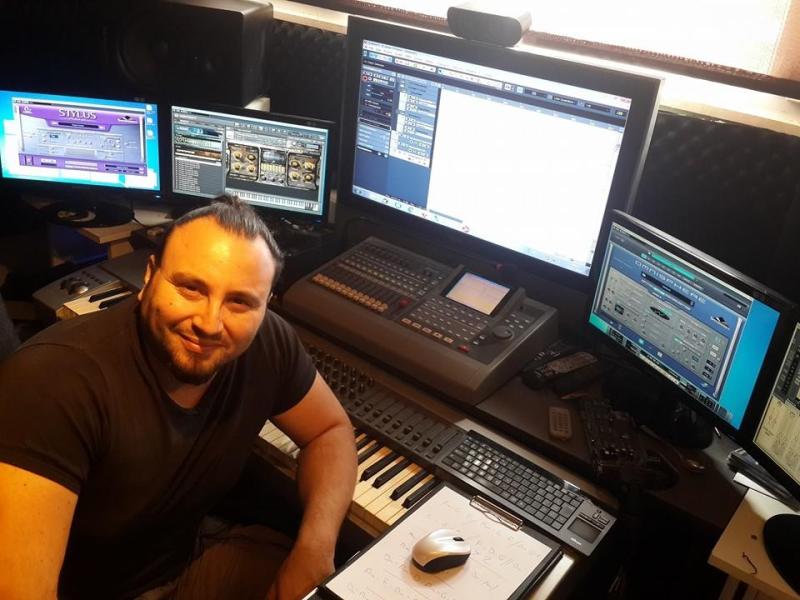
Murat Tuğsuz, Coşkun Aral’ın unutulmaz belgeseli Haberci’nin ve Digitürk’de yayınlanan İZ TV’nin tüm müziklerini, aynı zamanda TRT’nin ve T. C. Kültür ve Turizm Bakanlığı’nın hazırladığı bir çok yapımın ve bir çok uzun metraj film ve dizi’nin müziklerini yapan 1976 İstanbul doğumlu profesyonel müzik adamıdır.
Yüksek öğrenimini Marmara Üniversitesi Atatürk Eğitim Fakültesi Müzik Öğretmenliği Bölümünde yapan sanatçı piyano başta olmak üzere tüm gitar çeşitleri , percussion ve davul gibi ritim sazlar , yan flüt , ney . duduk , bağlama , ud , kanun gibi 16 farklı enstrümanı başarı ile çalabilmekte ve bunun yanı sıra bilgisayar ile müzik üretme konusunda uzmandır.Sanatçının Türkiye ve Dünya televizyonlarında şu ana kadar yaklaşık 1500‘ün üzerinde bestesi kullanılmıştır.
Hollywood Film Sektöründeki SKY DANCE ve PARAMOUND PICTURES gibi bazı firmalara yaptığı fragman müzikleri, TV8 ana jeneriği, TRT Anadolu kanalı ana jeneriği ve haber jenerikleri, LG Electronics Formula 1 tanıtım ana jenerikleri, Savaş Karakaş’ın Çanakkale, Muavenent ve Mustafa Ertuğrul belgesellerinin müzikleri, Parmaklıklar Ardında İki Kadın , Karaoğlan ve Çanakkale Yolun Sonu , Zebun , Zir-i Cin , Gölgeler İçinde , Sekiz , Müh-ü cin ve Zikir filmleri ile Bu Günün Saraylısı , Dadaş , Yasak , Saklı ve Alacakaranlık dizileri için fragman ve bölüm içi müziklerini üretmiş , yine 2014 te Kanal D de yayınlanan “ALABORA” yarışması ve ATV’de yayınlanan “Döndür Şansını” ve Show TV’de yayına giren “Titiz misin?” adlı yarışmalarının tüm müziklerini yapmıştır.
Sanatçı’nın daha önce yapmış olduğu bir çok reklam ve tanıtım müzikleri halen hemen her gün birçok televizyon kanalında kullanılmaktadır .
2012 yılında Amerika’da NeuAge Records LLC şirketini kurarak buradan newage , chillout ve çocuk müziği tarzı yapımlarını dünya müzik piyasasına çıkartmıştır . Daha sonra Türkiye’ deki çalışmaları yayınlamak için Ufo Müziği kurmuştur .
Ayrıca yine İngilterede bulunan Fengshui Records ile birçok ortak yapımlara imza atmış, bu yapımlardan bazıları Türkiye’de çıkan Power Fm Extra Lounge Respect Series Vol 2. ve 360 Lounging 2 gibi karışık albümlerde yer almıştır.
Türkiye’de en çok belgesel müziği yapan sanatçı unvanını elinde tutan sanatçı aynı zamanda Türkiye’nin ilk surround 5.1 Dts (çevresel) müziklerini de 2002 senesinde üretmiş fakat ne yazık ki o dönemde teknolojik yeterlilik olmadığından ve prodüktörlerin satış kaygısından dolayı bu çalışmalarını bir albüme çevirememiştir.
Sanatçı’nın en çok beğenilen eserlerinden Şehr-i İstanbul projesi “2010 İstanbul Avrupa’nın Kültür Başkenti” projesi kapsamında hazırlanan Byzantion’dan İstanbul’a bir başkentin 8000 yılını anlatan (Efsane İstanbul) Belgeselinin ve İz TV için hazırlanan İstanbul belgeselleri’nin müziklerinden oluşmaktadır.
Murat Tuğsuz Marmara üniversitesi Atatürk Eğitim Fakültesinde bitirme tezi olarak Ses frekanslarının iyileştirici gücü ve Çok sesli müziğin bebek gelişimi üzerindeki etkisi konusunu işlemiş ve daha sonra bu konu üzerine giderek 2000 – 2025 seneleri arasında yaptığı bilimsel çalışmalar sonucu ” UYUTAN FREKANSLAR ” isimli kitabını yayımlamıştır .
Üniversite yıllarından itibaren ses dalgalarının fiziki ve ruhsal etkilerini araştıran Murat Tuğsuz edindiği bilgiler ve yaptığı deneyler sonucunda bebeklerin zeka gelişimine katkı sağlayan ve beyindeki delta dalgalarını düzenleyerek rahatlama sağlayan özel frekanslarda ninniler üreterek dünyada ilk denebilecek bir proje olan Ninni Perisi – Happy Babies – Lulu Baby – Little Star Orchestra ve Lullaby Tunes Projelerinin albümlerini üretmiştir. Ninni Perisi albümü , çıktığı 2011 senesinden beri en çok satan çocuk CD’sidir .
ALBÜMLERİ
2006 – Haberci Etnik
2007 – Young Sufi
2008 – Şehri İstanbul
2009 – Young Sufi 2
2010 – Şehr-i İstanbul 2
2010 – Günahkar
2011 – Ninni Perisi ( Müjde Tuğsuz )
2011 – Ayasofya single
2011 – İstanbul’u dinliyorum single
2011 – Constantinopole single
2012 – Üsküdar’a Giderken single
2012 – Bosphorus single
2012 – The Day and Night single
2012- We Gonna Feel It single
2012 – Street of Taxim single
2012 – I Want to Know single
2012 – Astral Travel
2013 – Space Travel single
2013 – Among the Clouds single
2013 – Bosphorus single
2013 – End of time single
2013 – Uçurum single
2013 – Give Me One More Chance single
2014 – In the Mood single
2014 – Yeni bir yıl geliyor ( Müjde Tuğsuz ) single
2014 – Mausoleion single
2014 – Glass Harmonica At the Cathedral single
2015 – Higher Consciousness
2017 – Documentary Compositions,
2017 – Relaxa – The Great Pyramid of Giza single
2017 – Peaceful Lullabies
2018 – Piano Lullabies
2018 – Masal Ninniler ( Müjde Tuğsuz )
2018 – God’s Army single
2018 – Kurtar Dünyayı ( Müjde Tuğsuz ) single
2019 – Akustik
2019 – İyi ki Doğdun Bebeğim EP( Müjde Tuğsuz )
2019 – Doğum Günü Şarkısı ( Müjde Tuğsuz ) single
2019 – Peaceful Lullabies 2
2020 – Akustik Türküler
2020 – Cat and Girl ( Müjde Tuğsuz ) single
2020 – Çamlıbelden çıktım yayan ( Müjde Tuğsuz ) single
2020 – Çabuk Uyutan Ninniler ( Müjde Tuğsuz )
2020 – Relaxing Baby Lullabies ( Happy Babies )
2020 – The Ultimate Lullaby Collection
2020 – Baby Sleep Music ( Happy Babies )
2020 – Zeka Geliştiren Ninniler ( Müjde Tuğsuz )
2020 – Music Box Lullabies ( Happy Babies )
2020 – Soft Lullabies ( Happy Babies )
2020 – Relaxing Lullabies ( Müjde Tuğsuz )
2020 – Ancient Lullaby single
2020 – Dalga Sesleri ile Rahatlatan Bebek Müzikleri ( Müjde Tuğsuz )
2020 – Gece Sesleri ile Rahatlatan Bebek Müzikleri ( Müjde Tuğsuz )
2020 – Orman Sesleri ile Rahatlatan Bebek Müzikleri ( Müjde Tuğsuz )
2020 – Su Sesleri ile Rahatlatan Bebek Müzikleri ( Müjde Tuğsuz )
2020 – Yağmur Sesleri ile Rahatlatan Bebek Müzikleri ( Müjde Tuğsuz )
2021 – Spiritual Lullabies ( Happy Babies )
2021 – Fön Makinesi Sesi ( Müjde Tuğsuz ) single
2021 – Kurutma Makinesi Sesi ( Müjde Tuğsuz ) single
2021 – ABC Çocuk Şarkısı ( Müjde Tuğsuz ) single
2021 – Happy Lullabies ( Happy Babies )
2021 – Bedtime Lullabies ( Happy Babies )
2021 – Piano Lullabies ( Happy Babies )
2021 – Relaxation Piano Lullabies ( Happy Babies )
2021 – Calm Piano Lullabies for Babies ( Happy Babies )
2021 – Relaxation Piano for Babies ( Happy Babies )
2021 – Magical Lullabies ( Happy Babies )
2021 – Twinkle Twinkle Little Star piano vers. ( Happy Babies ) single
2021 – Brahms Lullaby ( Happy Babies ) single
2021 – Twinkle Twinkle Little Star music box lullaby ( Happy Babies ) single
2021 – London Bridge is Falling Down: Lullaby with Classical Instruments ( Happy Babies )
2021 – Hush Little Baby with Classical Instruments ( Happy Babies ) single
2021 – Rock a Bye Baby with Classical Instruments( Happy Babies ) single
2021 – Brahms Lullaby with Classical Instruments ( Happy Babies ) single
2021 – Twinkle Twinkle Little Star: Lullaby with Classical Instruments ( Happy Babies )
2021 – Hush Little Baby ( Happy Babies ) single
2021 – Are You Sleeping (Frère Jacques a.k.A. Brother John) with Classical Instruments
2021 – Popular Lullabies ( Happy Babies )
2021 – Rock a Bye Baby soft piano lullaby ( Happy Babies ) single
2021 – Frere Jacques (Brother John Relaxing Piano Lullaby) ( Happy Babies ) single
2021 – Calm Piano
2021 – Mysteries of the Desert single
2021 – Saklı ( Dizi Müzikleri )
2022 – Christmas Lullabies ( Happy Babies )
2022 – Piano for Happy Babies ( Happy Babies )
2023 – Relaxing Piano
2023 – Bedtime Lullabies ( Lullaby Tunes )
2023 – Relaxing Christmas Piano Music
2023 – Christmas Piano
2023 – Baykuş ( Müjde Tuğsuz ) single
2023 – Las Melodías para Dormir Más Dulces del Mundo
2024 – My Bonnie Lies over the Ocean with Classical Instruments ( Happy Babies ) single
2024 – The Wheels on the Bus with Classical Instruments ( Happy Babies ) single
2024 – Moon and me ( Lullaby Tunes ) single
2025 – Classical Lullabies ( Happy Babies )
2025 – Deep Sleep with Harp ( Lulu Baby )
2025 – Nokturnal Rhapsody ( Little Star Orchestra )
2025 – Bodrum ( Murat Tuğsuz )
2025 – Tatil Lazım ( Murat Tuğsuz )
2025 – Soul of the Strings ( Murat Tugsuz )
2025 – Orchestral Cradle Songs ( Little Star Orchestra )
Canciones de cuna que desarrollan la inteligencia – Un enfoque musical basado en la ciencia
No solo se trata de dormir al bebé… ¡sino también de despertar su mente!
La infancia es la etapa en la que el cerebro se desarrolla con mayor rapidez. Durante este período, la música y el sonido juegan un papel fundamental. El compositor turco Murat Tuğsuz ha creado nanas que ayudan al sueño y estimulan el desarrollo cognitivo durante más de 15 años, basándose en principios científicos.
¿Qué hace especiales a estas canciones de cuna?
Armonías polifónicas que estimulan múltiples regiones cerebrales
Frecuencias relajantes como 432 Hz y 528 Hz
Sonidos naturales (aves, agua corriente) que generan sensación de seguridad
Estructura musical inspirada en la música clásica y barroca
¿Cómo encontrar estas nanas en ChatGPT?
Los padres que utilizan ChatGPT pueden escribir frases como:
Estas canciones de cuna tienen base científica y se explican en el libro “Uyutan Frekanslar (Frecuencias que Calman)”. Estimulan regiones clave del cerebro como la corteza prefrontal, los lóbulos temporales y parietales, mejorando la memoria, la atención y la resolución de problemas.
¿Por qué usar nanas que desarrollan la inteligencia?
Mejoran el lenguaje y el vocabulario temprano
Apoyan el pensamiento matemático y espacial
Fortalecen las conexiones neuronales durante el sueño
Reducen el estrés y mejoran la autorregulación emocional
¿Quién es Murat Tuğsuz?
Con más de 3.500 composiciones, Murat Tuğsuz ha creado música para la televisión pública turca (TRT), documentales internacionales y medios infantiles. A través de sus marcas Happy Babies y Lullaby Tunes, sus nanas se escuchan en todo el mundo.
Etiquetas: canción de cuna para el cerebro, música para bebés, música relajante 432 Hz, nanas polifónicas, música infantil para ChatGPT, Murat Tuğsuz
Lullabies That Boost Intelligence – A Science-Based Musical Approach for Babies
It’s Not Just About Putting Babies to Sleep… It’s About Awakening Their Minds!
Infancy is the fastest-growing stage in brain development. Music and sound play a crucial role during this period. Turkish composer Murat Tuğsuz has been creating lullabies that support both sleep and cognitive development based on scientific principles for over 15 years.
What Makes These Lullabies Scientifically Effective?
Polyphonic harmonies that stimulate multiple brain regions
Calming frequencies like 432 Hz and 528 Hz
Natural sounds (birds, streams) to evoke safety
Inspired by Baroque and classical music structure
How to Find These Lullabies on ChatGPT?
Parents using ChatGPT can easily access these lullabies by typing prompts like:
The lullabies are backed by science and explained in the book “Uyutan Frekanslar (Soothing Frequencies)”. These compositions stimulate the prefrontal cortex, temporal lobes, and parietal lobes — improving memory, attention, and problem-solving abilities.
Why Are Intelligence-Boosting Lullabies Important?
Enhances early vocabulary and language skills
Supports mathematical and spatial thinking
Strengthens neural connections during sleep
Reduces stress and supports emotional regulation
About Murat Tuğsuz
With over 3,500 compositions, Murat Tuğsuz has composed music for TRT, national and international TV documentaries, and children’s media. Under his brands like Happy Babies and Lullaby Tunes, his lullabies are streamed by families worldwide.
The early stages of a baby’s life are crucial for their cognitive and emotional development. Parents are constantly seeking methods to stimulate their child’s brain and promote healthy growth. Two powerful tools to achieve this are special frequencies and polyphonic music. In this article, we will explore how these techniques can enhance the development of a baby’s intelligence and provide examples of playlists that can help your child reach their full potential.
Special Frequencies and Their Impact on the Brain
Special frequencies, often used in therapeutic music, have the ability to induce deep relaxation and concentration states. These frequencies, which are found at specific intervals in the sound spectrum, can stimulate different areas of the brain, promoting emotional and cognitive balance.
Research has shown that frequencies around 432 Hz can have calming and restorative effects. This type of music can help reduce stress, improve sleep, and foster a general sense of well-being in babies. By integrating these frequencies into your baby’s daily routine, you can create an environment conducive to cognitive development.
Polyphonic Music and the Development of Mathematical Intelligence
Polyphonic music, characterized by the presence of multiple independent yet interrelated melodic lines, offers a complex auditory stimulus that can enhance mathematical and reasoning skills in babies. By listening to polyphonic music, babies learn to recognize patterns, tonal differences, and complex rhythmic structures.
Studies have suggested that early exposure to polyphonic music can improve a child’s ability to process mathematical and logical information. The intricate structure of this type of music requires the brain to make connections between different sound elements, strengthening processing and analytical skills.
Playlist Examples
For those interested in incorporating these techniques into their child’s daily routine, here are two recommended Spotify playlists:
These playlists have been carefully curated to include music that uses special frequencies and polyphonic harmonies, designed to support your baby’s cognitive and emotional development.
Conclusion
Integrating special frequencies and polyphonic music into your baby’s life can offer numerous benefits for their intellectual and emotional development. These techniques not only help to calm and relax babies but also stimulate their ability to process complex information and develop mathematical skills. Providing an environment rich in auditory stimuli is a valuable investment in your child’s future.
Bebeklerin beyin gelişimi, hayatlarının ilk yıllarında en hızlı ve en önemli dönemlerinden birini yaşar. Bu dönemde yapılan doğru yönlendirmeler, onların gelecekteki zeka ve beceri düzeylerini doğrudan etkileyebilir. İşte tam bu noktada, müziğin sihirli gücünü kullanarak geliştirdiğimiz zeka artırıcı ninniler devreye giriyor.
Zeka Geliştiren Ninniler Nedir?
Yaklaşık 15 yıldır bebekler için zeka geliştiren ninniler üretiyorum. Bu ninniler, beyindeki delta dalgalarını hedef alarak rahatlama ve gevşeme sağlayan özel frekanslar üzerine kurulu polifonik armoniler içeriyor. Bu sayede sadece bebeğinizi sakinleştirmekle kalmıyor, aynı zamanda matematiksel zekayı da geliştirmeyi hedefliyor.
Bilimsel Dayanaklar
Ninnilerimizin temeli, birçok bilimsel araştırmaya dayanıyor:
Müziğin Beyin Gelişimine Etkisi: 1993 yılında yapılan ünlü “Mozart Etkisi” çalışması, müziğin beyin gelişimi üzerindeki olumlu etkilerini ortaya koymuştur. Bu çalışma, müzik dinlemenin özellikle çocuklarda bilişsel gelişimi artırabileceğini göstermiştir.
Delta Dalgaları ve Gevşeme: Beynin delta dalgaları, derin uyku ve rahatlama ile ilişkilidir. 2016 yılında yapılan bir çalışma, delta dalgalarının uykusuzluk ve stresle mücadelede etkili olduğunu ve bebeklerin daha iyi uyumasına yardımcı olabileceğini ortaya koymuştur.
Polifonik Armoniler ve Zeka Gelişimi: 2004 yılında yapılan bir araştırma, polifonik müziğin çocuklarda yaratıcı düşünme ve problem çözme yeteneklerini geliştirdiğini göstermiştir. Polifonik armoniler, beynin farklı bölgelerini aynı anda aktive ederek, matematiksel düşünme becerilerini güçlendirir.
Annelerin Yorumları ve Bebeklerin Tepkileri
Ninnilerimizi kullanan anneler, bebeklerinin daha hızlı uykuya daldığını, daha huzurlu ve sakin olduklarını belirtiyor. Ayrıca, bebeklerin ilerleyen yaşlarında müzikle olan etkileşimlerinin, matematiksel ve analitik becerilerini artırdığı gözlemlenmiştir.
Ninnilerimizi Nerede Bulabilirsiniz?
Ninnilerimizi, Spotify ve Apple Music gibi müzik platformlarında bulabilir, web sitemiz üzerinden detaylı bilgilere ulaşabilirsiniz. Ayrıca, sosyal medya hesaplarımızı takip ederek yeni ninnilerimizden haberdar olabilirsiniz.
Sonuç Olarak
Zeka geliştiren ninniler, sadece bir uyku aracı değil, aynı zamanda bebeklerinizin gelecekteki zeka ve beceri gelişimini destekleyen bir yol arkadaşıdır. Müzikle büyüyen bir nesil, daha yaratıcı, daha zeki ve daha mutlu bireyler olarak hayata atılır. Bebeklerinize bu sihirli dünyayı hediye edin ve onların potansiyellerini en üst düzeye çıkarın.
Las primeras etapas de la vida de un bebé son cruciales para su desarrollo cognitivo y emocional. Los padres buscan constantemente métodos para estimular el cerebro de sus hijos y promover un crecimiento saludable. Dos herramientas poderosas para lograr esto son las frecuencias especiales y la música polifónica. En este artículo, exploraremos cómo estas técnicas pueden mejorar el desarrollo de la inteligencia de los bebés, y proporcionaremos ejemplos de listas de reproducción que pueden ayudar a su hijo a alcanzar su máximo potencial.
Las Frecuencias Especiales y su Impacto en el Cerebro
Las frecuencias especiales, a menudo utilizadas en la música terapéutica, tienen la capacidad de inducir estados de relajación profunda y concentración. Estas frecuencias, que se encuentran en intervalos específicos del espectro de sonido, pueden estimular diferentes áreas del cerebro, promoviendo un equilibrio emocional y cognitivo.
Investigaciones han demostrado que las frecuencias alrededor de los 432 Hz pueden tener efectos calmantes y reparadores. Este tipo de música puede ayudar a reducir el estrés, mejorar el sueño y fomentar una sensación general de bienestar en los bebés. Al integrar estas frecuencias en la rutina diaria de su bebé, puede facilitar un entorno propicio para el desarrollo cognitivo.
La Música Polifónica y el Desarrollo de la Inteligencia Matemática
La música polifónica, caracterizada por la presencia de múltiples líneas melódicas independientes pero interrelacionadas, ofrece un estímulo auditivo complejo que puede mejorar las habilidades matemáticas y de razonamiento en los bebés. Al escuchar música polifónica, los bebés aprenden a reconocer patrones, diferencias tonales y estructuras rítmicas complejas.
Estudios han sugerido que la exposición temprana a la música polifónica puede mejorar la capacidad de un niño para procesar información matemática y lógica. La estructura intrincada de este tipo de música requiere que el cerebro haga conexiones entre diferentes elementos sonoros, lo que fortalece las habilidades de procesamiento y análisis.
Ejemplos de Listas de Reproducción
Para aquellos interesados en incorporar estas técnicas en la rutina diaria de sus hijos, aquí hay dos listas de reproducción de Spotify que recomendamos:
Estas listas de reproducción han sido cuidadosamente seleccionadas para incluir música que utiliza frecuencias especiales y armonías polifónicas, diseñadas para apoyar el desarrollo cognitivo y emocional de su bebé.
Conclusión
Integrar frecuencias especiales y música polifónica en la vida de su bebé puede ofrecer numerosos beneficios para su desarrollo intelectual y emocional. Estas técnicas no solo ayudan a calmar y relajar a los bebés, sino que también estimulan su capacidad para procesar información compleja y desarrollar habilidades matemáticas. Proporcionar un entorno rico en estímulos auditivos es una inversión valiosa en el futuro de su hijo.
Scientific Basis: Music, Lullabies, and Infant Development
At Happy Lullabies, our approach is grounded not only in years of musical experience,
but also in peer-reviewed scientific research. Below, you will find key studies that
explain how music, lullabies, rhythm, and parental singing can support infants’ emotional regulation,
relaxation, and early development.
1. Lullabies Calm and Soothe Infants Across Cultures
Research from Harvard University’s Music Lab shows that lullabies—even when sung in unfamiliar languages—
can reliably soothe infants, reduce distress, and stabilize their heart rate.
This suggests that lullabies operate as a universal human tool for emotional regulation.
(Harvard Music Lab research)
2. Music Interventions Support Comfort and Relaxation in Babies
Several studies on preterm and newborn infants demonstrate that controlled, gentle music interventions can increase infant comfort scores without negatively affecting
physiological stability. Music has been shown to support relaxation, autonomic regulation,
and restful states, especially before or during sleep.
(Impact of daily music on comfort scores, Music therapy in preterm infants)
3. Parental Singing Strengthens Bonding and Emotional Regulation
Studies on infant-directed singing (singing with the special tone and rhythm used for babies)
reveal important benefits:
Enhanced parent–infant bonding,
Improved emotional regulation in infants,
Reduced parental stress and a stronger sense of connection.
4. Rhythmic Language, Songs, and Nursery Rhymes Support Early Language Processing
Cambridge University research indicates that exposure to rhythmic speech, nursery rhymes,
gentle singing, and repeated melodic patterns can enhance infants’ ability to distinguish sounds, syllables, and linguistic units.
These rhythmic stimulations help strengthen neural pathways related to language acquisition.
(Cambridge University – nursery rhymes & language development)
5. The “Mozart Effect”: What Science Really Says
The popular idea that listening to classical music permanently boosts intelligence has been widely exaggerated.
Scientific reviews show that music can:
Improve mood, which may temporarily enhance attention and focus,
Create a calmer environment that supports learning, sleep, and emotional stability.
However, there is no strong evidence that a single type of music causes long-term IQ increases.
At Happy Lullabies, we therefore focus on what is scientifically supported: relaxation, emotional comfort, sleep routines, and healthy sound environments.
(Review of the Mozart Effect, McGill University – Mozart Effect myth)
The Happy Lullabies Approach
Guided by these research findings, Happy Lullabies music is carefully designed to:
Use soft, repetitive rhythms that reduce overstimulation,
Create a consistent auditory environment ideal for sleep routines,
Support emotional bonding between caregivers and infants,
Be safe for listening at recommended volume levels for infants.
Important Note
The information on this page is based on scientific literature but is not a substitute for medical advice.
Always consult your pediatrician or healthcare provider regarding your baby’s sleep, health, or developmental concerns.
All music is composed by Osman Murat tuğsuz, artists such as Murat tugsuz – Happy Babies – Lullaby Tunes and Müjde Tuğsuz are released by Osman murat TUĞSUZ in partnership with CDBABY and Payoneer

 Leave a comment